

Industry Insight — October 8, 2026 — 7 min read
The Comeback Soundtrack: Why Healing Music Hits Harder Now
Listeners are craving authenticity over polish. Here's why healing music, comeback stories, and independent artists like Kaden Quinn are hitting harder than ever.
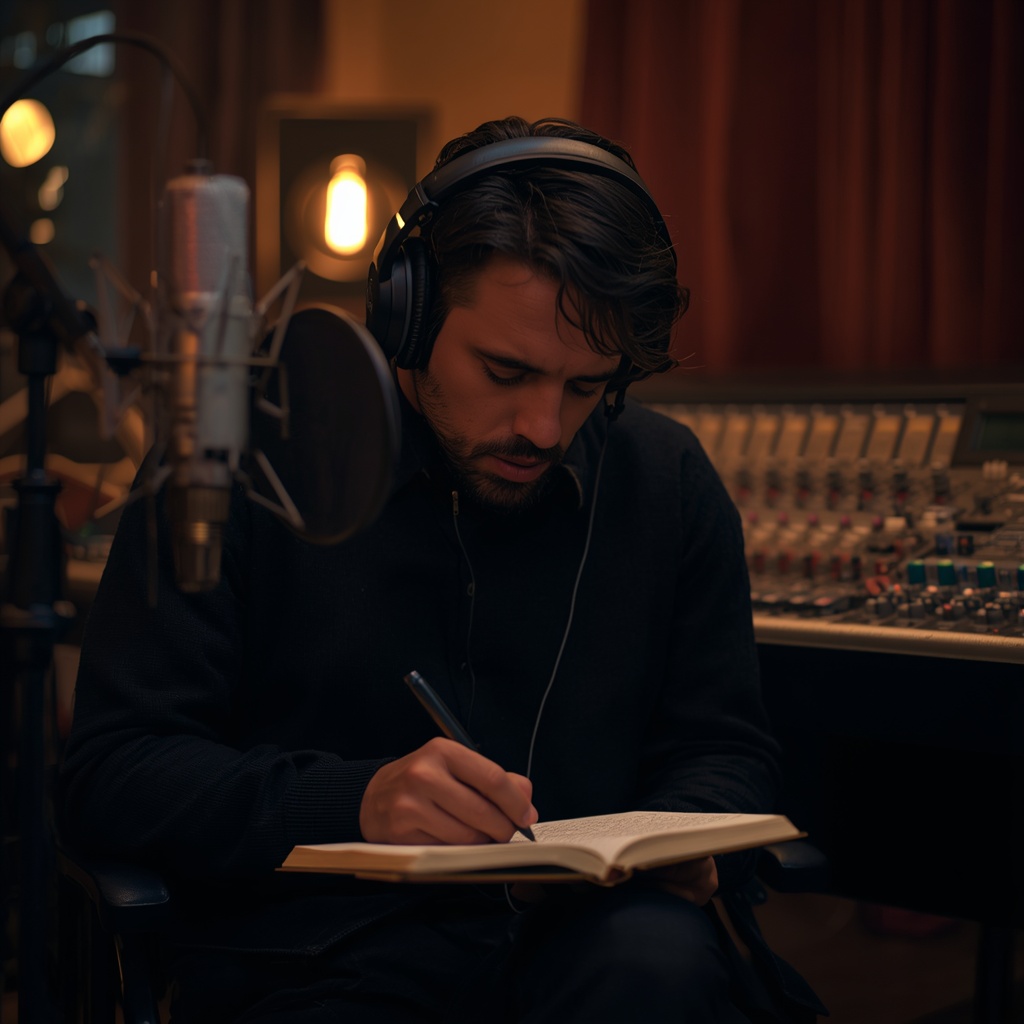
Music centered on healing and resilience is resonating more than ever because listeners crave authenticity over polish. Artists who turn personal setbacks into songwriting material, like New York's Kaden Quinn, are proving that vulnerability sells better than perfection.
Something has shifted in what people want from music. Perfectly polished pop anthems still have their place, but a different kind of song is climbing playlists and sticking with listeners long after the first listen. Call it the comeback soundtrack: music built around healing, setbacks, and the messy work of putting yourself back together.
This isn't a passing trend. It reflects a cultural moment where audiences are exhausted by curated perfection and hungry for something real. Listeners want to hear that someone else has been through it too, whether "it" is an injury, a career derailment, a breakup, or a mental health struggle that never made it onto a highlight reel.
Artists like Kaden Quinn, a New York-based singer, songwriter, and producer, embody this shift. His music draws directly from personal adversity, and that honesty is part of what makes it land. This post breaks down the psychology behind healing music, the artists leading the charge, and why independent musicians are driving this movement forward.
Why Does Music About Overcoming Adversity Connect So Deeply With Listeners?
Healing music works because it mirrors the listener's own internal experience back at them. When a song names a feeling that someone has struggled to articulate, it creates an immediate sense of being understood. That emotional recognition is the foundation of why comeback songs tend to outperform generic feel-good tracks in terms of long-term listener attachment.
Vulnerability also has real therapeutic value. Songwriters who write from a place of genuine struggle, rather than a manufactured narrative, tend to produce lyrics that feel lived-in rather than performative. Listeners can usually tell the difference.
A few reasons this connection runs so deep:
- Shared vulnerability builds trust. When an artist admits to struggling, it gives the listener permission to do the same.
- Specificity creates universality. Oddly, the more specific and personal a lyric is, the more listeners project their own experiences onto it.
- Struggle fuels authenticity. Personal hardship, when channeled into songwriting, tends to produce work that feels less like a product and more like a confession.
Kaden Quinn's music leans into this principle directly. According to his artist bio, his songwriting centers on the idea that "survival can be something beautiful," a theme that runs through tracks built on honesty rather than a polished, radio-ready persona.
How Are Genre-Bending Artists Changing the Way Resilience Gets Told?
One of the clearest signs of this movement is the rise of artists who refuse to stay inside one genre lane. Blending pop, R&B, hip hop, rock, and Afrobeats within a single catalog, or even a single song, allows an artist to match the emotional range of their story instead of forcing it into one sonic mold.
Kaden Quinn is a good example of this approach. His music moves between smooth, melodic R&B and more aggressive rap cadences, sometimes within the same track. That range isn't a gimmick. It reflects the reality that healing rarely follows a straight emotional line. Some days call for a soft ballad. Others call for something louder and more defiant.
This genre fluidity also expands an artist's reach. A listener drawn in by an Afrobeats-influenced single like "Dance My Way," a collaboration between Kaden Quinn and Ghanaian American artist King Delalie, might stick around to discover a moodier, rap-leaning track elsewhere in the catalog. Sonic diversity becomes a storytelling tool, not just a marketing strategy.
What Real Stories of Resilience Look Like in Today's Music Scene
The comeback narrative resonates most when it's backed by a real story, not a manufactured one. Kaden Quinn's path into music started with an ending: a career as an All-American collegiate athlete cut short by multiple injuries and surgeries. Rather than treating that loss as a dead end, he turned to songwriting as an outlet, channeling the frustration, grief, and rebuilding process into music.
That kind of transition, from one identity to another, is a familiar thread among artists making this kind of music. It also explains why collaboration plays such a central role in the healing process for many musicians. Kaden Quinn has worked closely with producer Isaac DeLong on an upcoming EP and has built a creative partnership with King Delalie, an artist who came up through the same Bronx underground scene. Those relationships aren't just professional convenience. They create a support system that mirrors the communal aspect of healing itself.
Beyond his own catalog, Kaden Quinn has collaborated with established New York artists, including Keith Murray, and has performed more than 100 live shows at venues such as SOB's and the House of Blues Myrtle Beach, according to his official artist bio.
Why Are Independent Artists Leading the Comeback Narrative?
Independent artists have become the driving force behind this cultural shift, largely because they aren't bound by label expectations to chase a specific sound or narrative. That freedom lets them tell their stories without a filter.
Streaming numbers back this up. Kaden Quinn has built a catalog with more than 2.5 million combined streams and over 250,000 followers as an independent artist, fully self-released with his own writing and production credits. That kind of traction without major label backing is a strong signal that authentic storytelling resonates with real audience demand, not just industry promotion.
Community plays a major role in this growth too. Independent artists often rely on tight-knit collaborative networks, fan communities, and word-of-mouth support rather than large marketing budgets. That grassroots dynamic reinforces the resilience theme at the heart of the music itself: growth that happens gradually, through real relationships, rather than overnight through a big label push.
Where This Leaves the Future of Healing Music
Comeback stories and healing narratives aren't going anywhere. If anything, they're becoming the standard listeners expect from the artists they follow closely. As long as people are navigating their own setbacks, whether physical, emotional, or professional, music that names those struggles honestly will keep finding an audience.
If you're looking to discover more artists pushing these emotional and sonic boundaries, Kaden Quinn's catalog is a strong place to start. Whether you're drawn to his genre-blending records, his story of turning athletic injury into artistic reinvention, or his growing catalog of collaborations, there's a lot to explore. You can also connect with him directly for bookings, whether for a live performance or a collaborative project, through his official site.