

Music Production — October 8, 2026 — 6 min read
What Does a Mixing Engineer Do? Why Mixing Can Make or Break a Song
Mixing is where raw recordings become finished records. Here's what a mixing engineer actually does, and why the right mix can make or break a song.
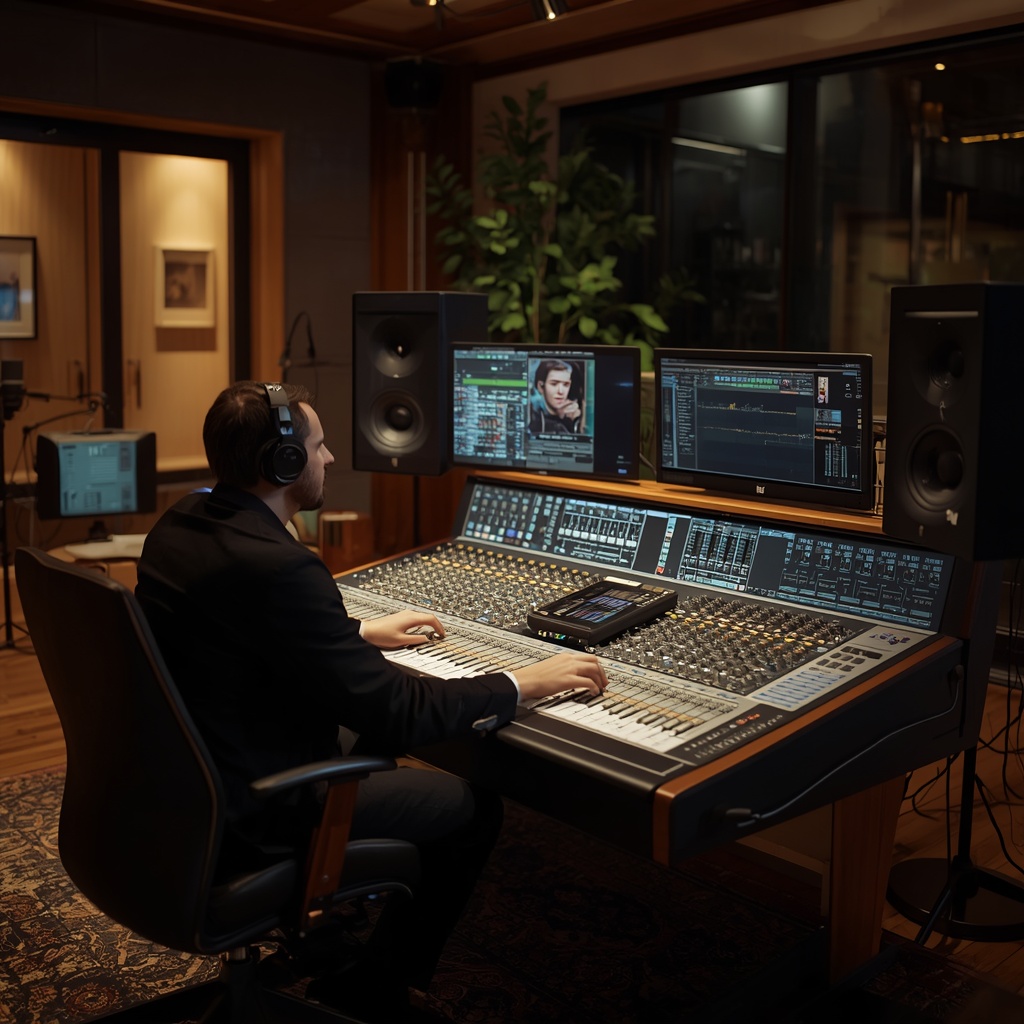
A mixing engineer balances vocals, instruments, and effects to turn raw recordings into a polished, cohesive track. Using tools like EQ, compression, panning, and reverb, they shape clarity, depth, and emotional impact. Skilled mixing separates amateur recordings from professional releases and can determine whether a song connects with listeners.
Every song starts as a collection of separate audio files: a vocal take, a guitar riff, a kick drum, a synth pad. On their own, these elements rarely sound like a finished record. That transformation from raw material to a track ready for release happens during mixing, one of the most technical and creatively demanding stages of music production.
A mixing engineer's job is often invisible to listeners, yet it shapes nearly every emotional beat of a song. Get the mix right, and a track feels immersive, punchy, and radio-ready. Get it wrong, and even a brilliant song can sound thin, cluttered, or amateurish. This is why serious artists, from independent singer-songwriters to major label acts, treat mixing as a non-negotiable part of the production process.
In New York City's competitive music scene, where countless artists release new material every week, the quality of a mix can be the difference between a song that gets skipped and one that gets replayed. Understanding what a mixing engineer actually does helps artists make smarter decisions about their own releases.
What Does a Mixing Engineer Actually Do?
A mixing engineer takes individually recorded tracks and blends them into a single, cohesive stereo mix. This involves far more than just adjusting volume levels.
How do mixing engineers balance vocals and instruments?
The core of any mix is balance. A mixing engineer decides how loud each element should sit relative to the others, ensuring the vocal remains the focal point while instruments support rather than compete with it. This balance shifts throughout the song, since a chorus often needs different treatment than a verse or bridge.
What tools do mixing engineers use to shape sound?
Mixing engineers rely on a specific set of tools to enhance individual tracks:
- EQ (equalization): Removes unwanted frequencies and emphasizes the ones that make an instrument or vocal sound clear and present.
- Compression: Controls dynamic range, smoothing out inconsistent volume levels so a performance feels consistent and controlled.
- Panning: Positions sounds across the left-right stereo field, giving the mix width and separation.
- Reverb and delay: Add spatial depth, making a track feel like it exists in a physical space rather than sounding flat or dry.
Why does clarity matter in a mix?
Perhaps the most important job of a mixing engineer is ensuring every element can be heard without the mix turning muddy. This means carving out frequency space for each instrument so a bass line, a vocal, and a lead guitar are not all competing in the same sonic territory. A vocal mixing service, for example, focuses specifically on this challenge, making sure a singer's performance always cuts through a busy arrangement.
Why Mixing Can Make or Break a Song
Songwriting and performance lay the foundation, but mixing determines whether that foundation gets showcased or buried.
A strong mix can elevate an average recording into something that sounds professional and commercially viable. Conversely, poor mixing can obscure great songwriting, hide a powerful vocal performance, or make an otherwise strong arrangement feel disorganized. Listeners may not know why a song feels "off," but they will notice it, often within the first few seconds.
Mixing also directly affects emotional engagement. Subtle choices, like how much reverb sits on a vocal during an emotional bridge, or how a chorus is widened to feel bigger than the verse, guide how a listener experiences the song. This is part of why working with experienced music producers in NYC, or an engineer who understands genre-specific expectations, matters so much for artists trying to stand out.
In competitive markets, industry-standard mixing is often what separates an amateur upload from a release that gets attention from playlists, blogs, or labels.
Common Mixing Mistakes That Ruin Songs
Even talented artists can undermine their own music with mixing missteps. Some of the most frequent mistakes include:
- Over-compression: Squeezing too much dynamic range out of a track can drain a song of its energy and emotional peaks.
- Imbalanced levels: When vocals sit too far forward or instruments overpower the lead performance, the mix feels awkward and unfocused.
- Excessive effects: Piling on reverb, delay, or saturation can clutter a mix and reduce clarity.
- Skipping playback checks: Failing to test a mix on multiple systems, such as studio monitors, earbuds, and car speakers, often reveals balance issues that were missed on a single setup.
Avoiding these pitfalls is one reason many independent artists turn to online audio mixing services rather than attempting to mix a track entirely on their own.
The Mixing Process: From Raw Tracks to Final Product
A professional mixing workflow generally follows a consistent sequence:
- Organization and preparation: All recorded tracks are labeled, cleaned up, and organized before any mixing begins.
- Initial balancing: Rough volume levels and panning positions are set to establish the basic shape of the mix.
- EQ and compression: Each track is refined for clarity, punch, and consistency.
- Effects and automation: Reverb, delay, and other effects are added, along with automation to create movement and dynamics throughout the song.
- Final loudness optimization: The mix is prepared to translate well across streaming platforms and to hand off cleanly for mastering.
This process requires both technical precision and creative judgment, which is why full-service music production services in NYC typically pair mixing with mastering and production support under one roof.
Investing in the Right Mixing Engineer
Mixing is not a finishing touch. It is a defining stage that shapes whether a song reaches its full potential. A great mixing engineer understands not just the technical tools of the trade, but the artistic vision behind a track, translating that vision into a sound that connects with listeners.
For artists serious about their sound, whether that means a debut single or a full EP, working with a producer and vocalist who understands both sides of the studio, like Kaden Quinn, can make the difference between a track that fades into the background and one that stands out.
If you're ready to elevate your next release, book Kaden Quinn and start building a mix that does your song justice.